
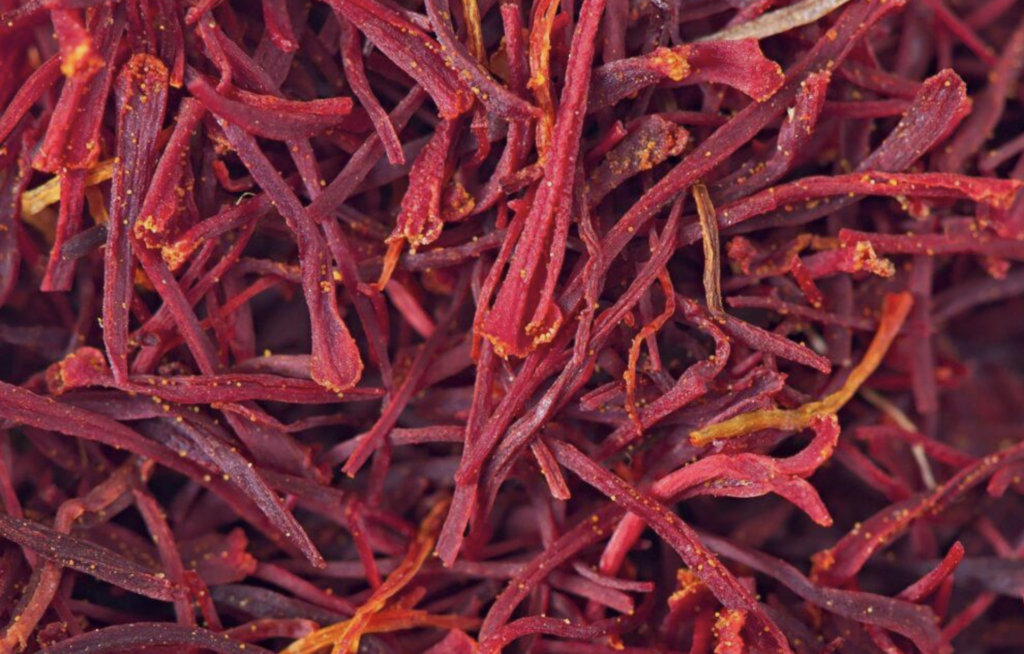
Have you ever wondered why saffron is called “red gold”? Saffron is one of the world’s most valuable spices, not only because of its beautiful color and unique flavor but also because of its long history in traditional medicine and its potential health benefits.
I find saffron particularly interesting because it connects food, culture, and wellness. For thousands of years, people have used saffron in cooking, traditional remedies, cosmetics, and perfumes. Today, researchers are studying its natural compounds to better understand how this special spice may support human health.
What Is Saffron?
Saffron comes from the flower of Crocus sativus. Each flower produces only three delicate red stigmas, which must be carefully harvested by hand and dried. This labor-intensive process explains why saffron is considered one of the most expensive spices in the world.
Saffron contains natural compounds such as crocin, crocetin, safranal, and picrocrocin. These compounds contribute to its color, aroma, flavor, and potential biological properties.
Five Potential Health Benefits of Saffron
1. Antioxidant Properties
Saffron contains compounds such as crocin and crocetin that have antioxidant properties. Antioxidants may help protect cells against oxidative stress, which is associated with various health conditions.
2. Mood and Emotional Well-Being
Some clinical studies have investigated saffron extract and its possible effects on mood and symptoms of depression and anxiety. Although the findings are promising, saffron should not replace professional mental health treatment.
3. Brain Health and Memory
Researchers are studying saffron’s potential effects on cognitive function and memory. Its antioxidant compounds may help protect brain cells, although more research is needed.
4. Sleep Quality
Some clinical trials suggest that saffron extract may help improve sleep quality. This has created interest in saffron as a possible natural ingredient in wellness products.
5. Eye Health
Studies have explored saffron’s potential to support visual function, particularly in people with age-related macular degeneration. However, more research is needed to establish its effectiveness.
How Can You Use Saffron in Everyday Life?
One of the best things about saffron is that it is easy to incorporate into everyday meals and drinks.
Here are a few simple ideas:
- Saffron tea: Add a few saffron threads to hot water and let them steep for several minutes.
- Saffron rice: Add soaked saffron threads to rice for a beautiful golden color and distinctive aroma.
- Golden milk: Combine saffron with warm milk and other spices.
- Soups and seafood: Use saffron to enhance flavor and color.
- Desserts: Add saffron to rice pudding, custards, and traditional sweets.
Personally, I think saffron tea is one of the simplest ways to appreciate its natural aroma and delicate flavor.
Is Saffron Safe?
Saffron is generally used safely in normal culinary quantities. However, concentrated saffron supplements are different from using a few threads in food. Excessive amounts may cause unwanted side effects. Pregnant women and people taking medications should consult a healthcare professional before using saffron supplements.
It is also important to purchase authentic, high-quality saffron from reliable suppliers because adulteration and artificial coloring can affect product quality.
Final Thoughts
For me, saffron is much more than an expensive kitchen spice. It represents centuries of cultural heritage, traditional knowledge, and growing scientific interest. From its distinctive flavor in food to its potential antioxidant and wellness properties, saffron continues to attract attention around the world.
Although researchers still need to conduct more studies to confirm many of its health benefits, I believe saffron deserves recognition as one of nature’s most fascinating spices. Sometimes, a few small red threads can have a remarkable story behind them!
References and Further Reading
- Taste for Life: Saffron Health Benefits and Uses
- Saffron Research – PubMed
- Additional Scientific Research – PubMed
Disclaimer: This article is for educational purposes only and is not intended to replace professional medical advice.